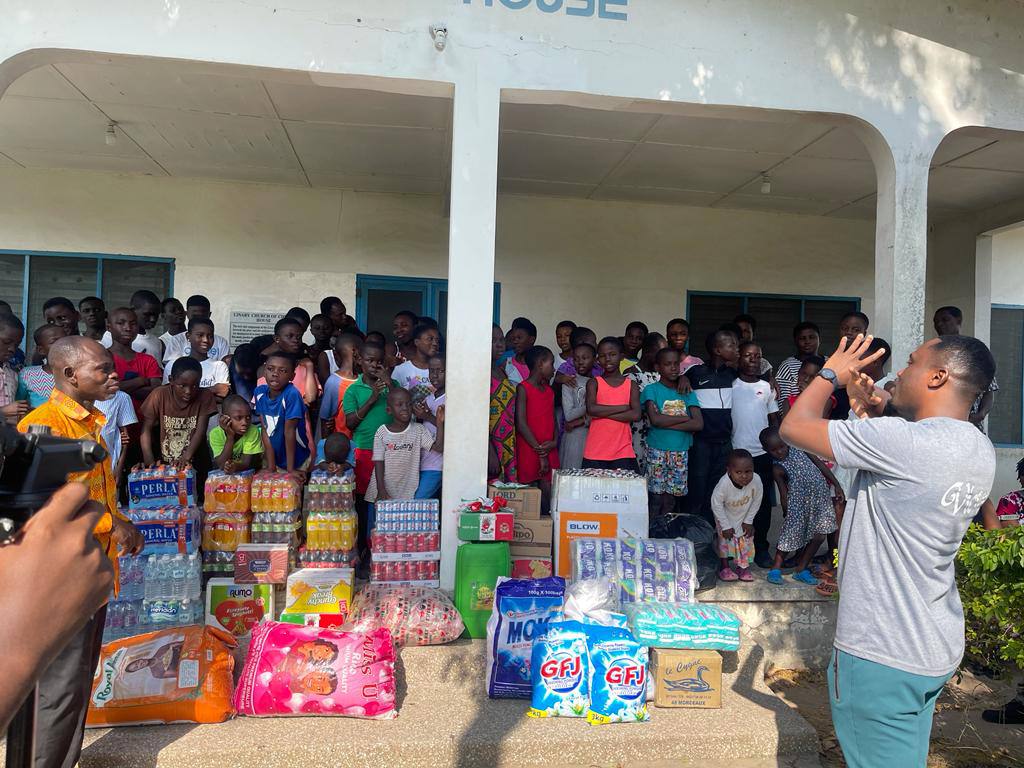

Since 2021, Sam Paradigm Foundation has delivered consistent, on-the-ground impact across orphan care, community health, educational scholarships, and clean water infrastructure — anchored in faith, measured with rigour, and scaled through global partnership.
The Foundation delivers high-impact social interventions across four core domains. Each programme is designed for durability and measured against internationally recognised indicators aligned to the UN 2030 Agenda.
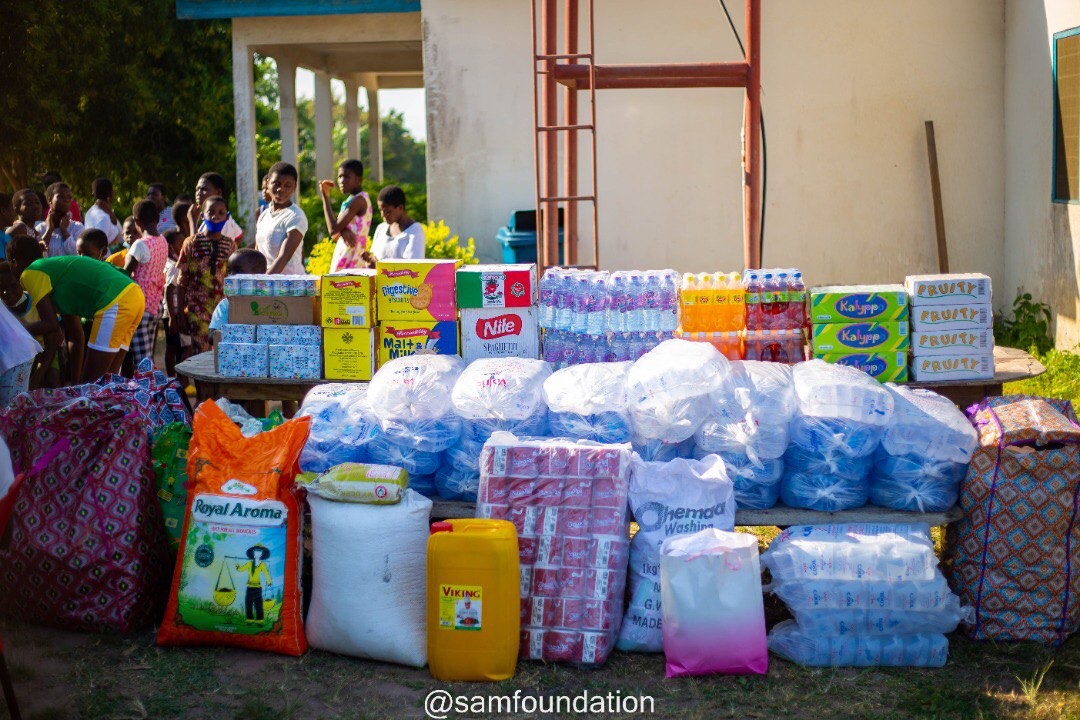
Delivering holistic child-care programmes — nutrition, psychosocial support, and protection — for orphans and vulnerable children, built against international child-protection benchmarks and designed to restore agency and self-worth, not merely to provide relief.
The Foundation adopts and publishes a formal Child Protection Policy aligned with international best practice, establishing standardised case-management files and periodic wellbeing reviews for every child under its care.
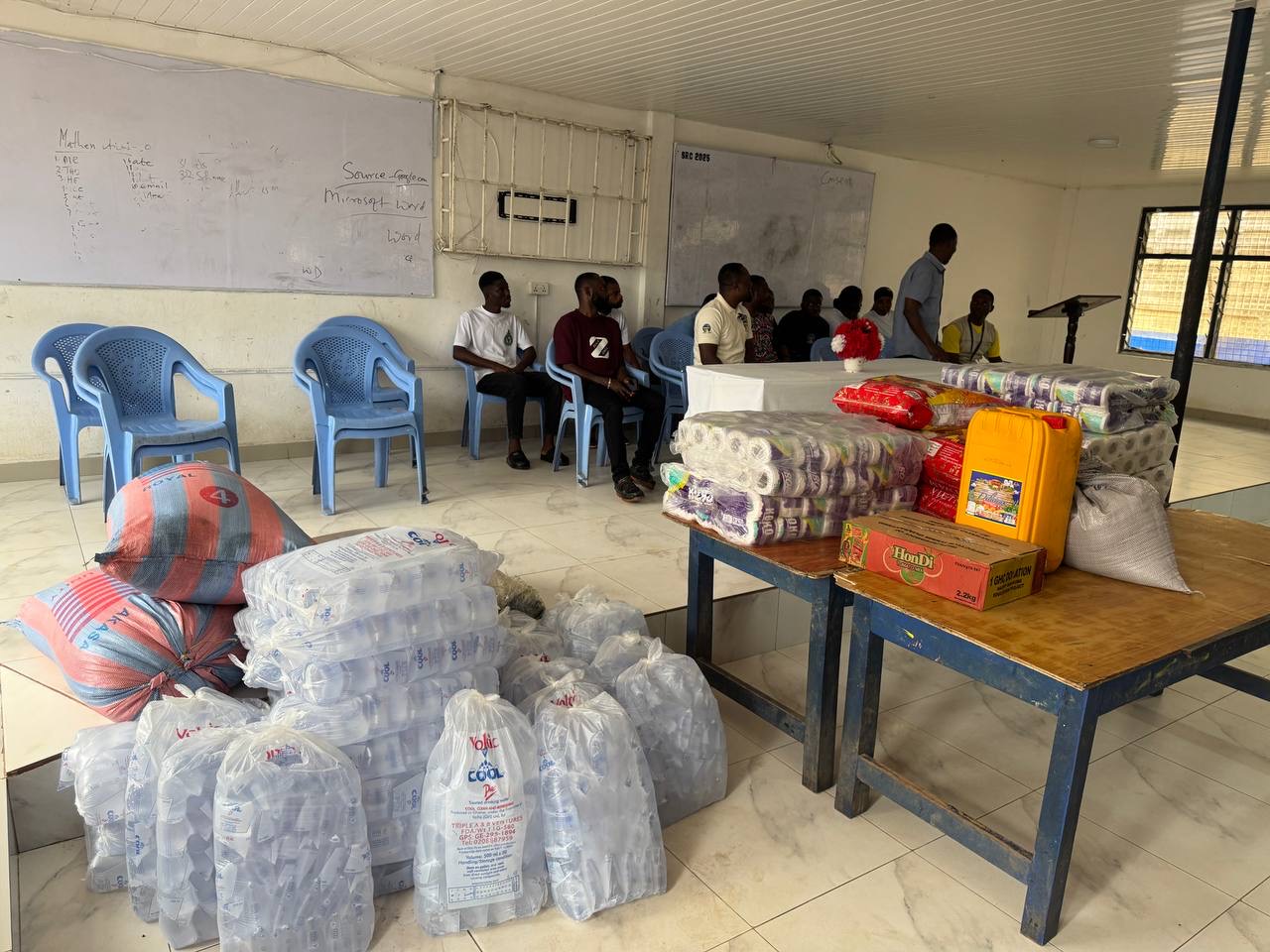
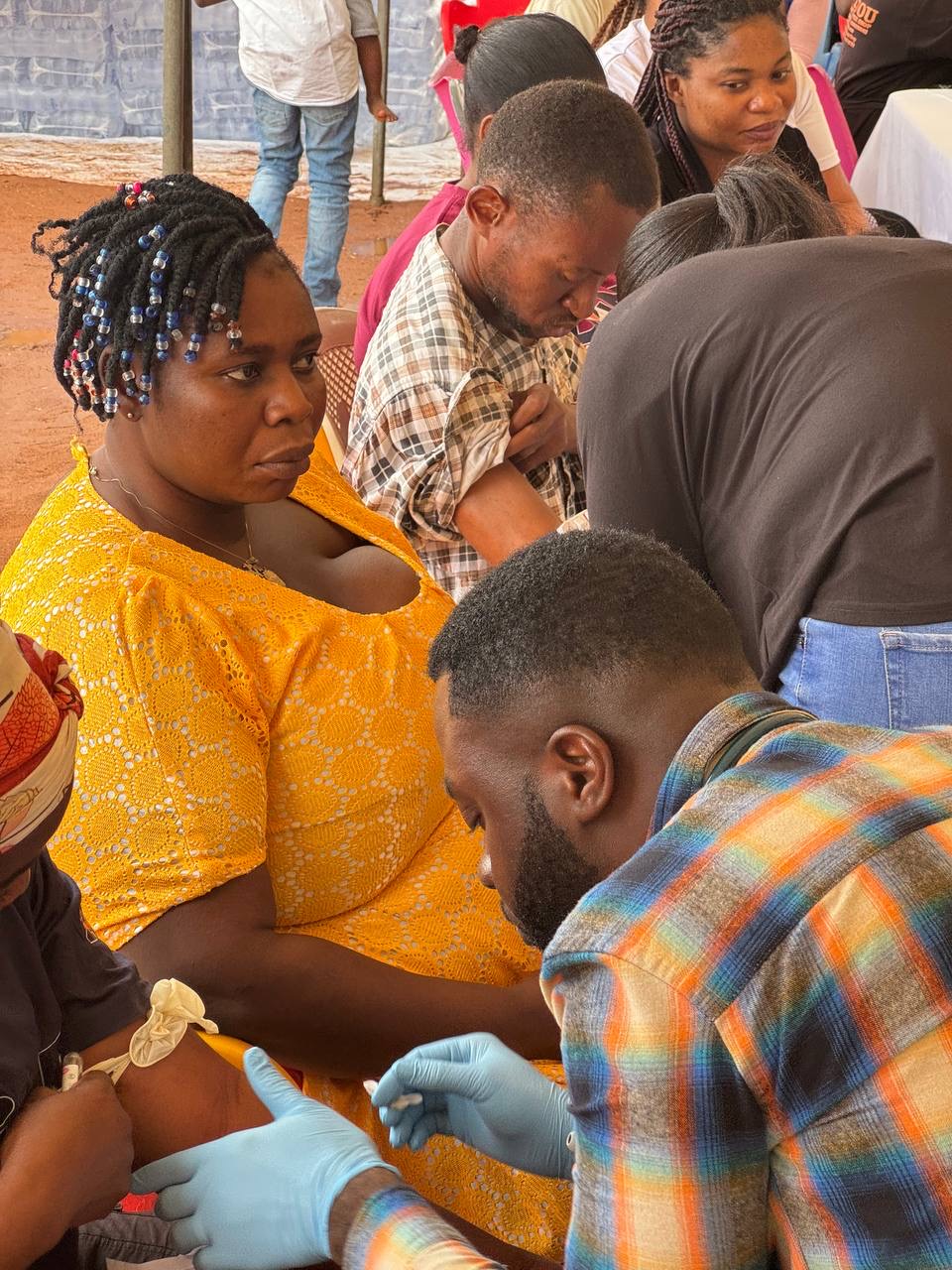
Community health screenings and basic healthcare outreach as a core, standalone service line — extending beyond orphan-care settings into partner communities, with referral pathways to accredited health facilities for cases requiring specialist or emergency care.
Regular community health screening clinics are delivered alongside the July and December Programmes and on a rolling basis between them.
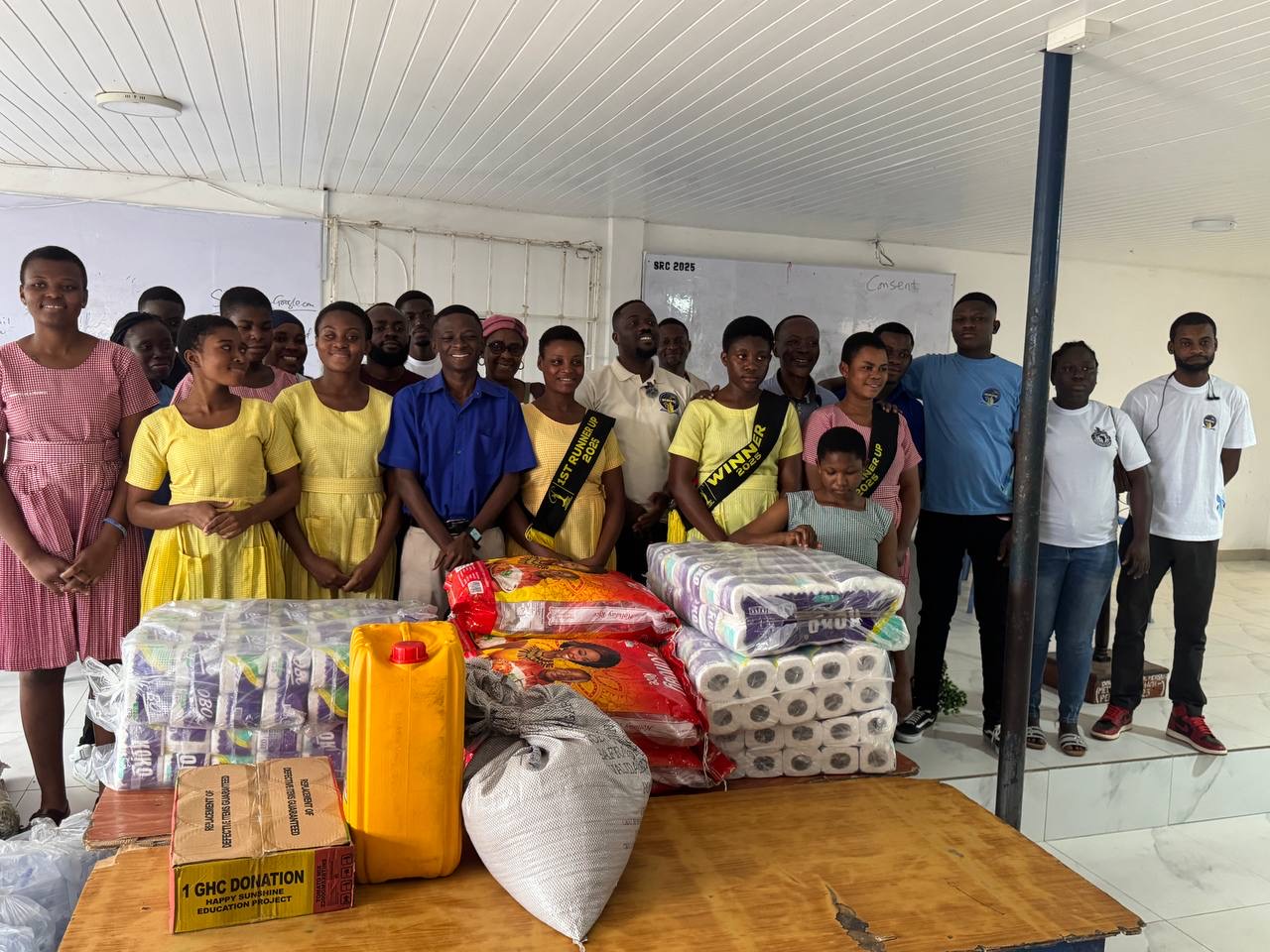
A globally sponsorable, transparently governed scholarship pipeline — from selection, through disbursement, to mentorship and post-graduation tracking. A tiered scholarship structure (Basic, Secondary, Tertiary, Vocational/Technical) is offered with published eligibility criteria.
Every scholar is enrolled in a mentorship and academic-progress-tracking system, prioritising STEM, health sciences, and vocational trades.
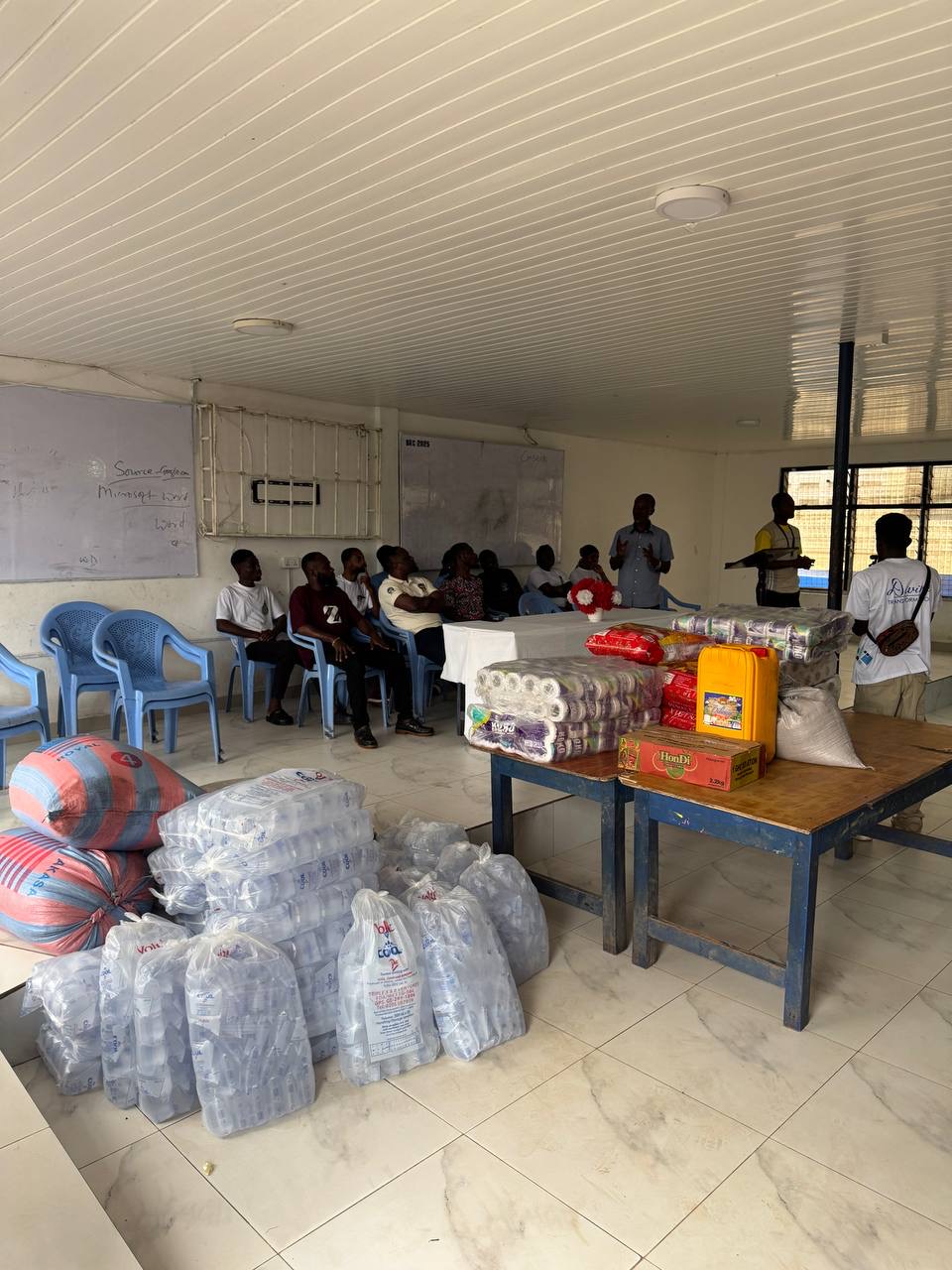
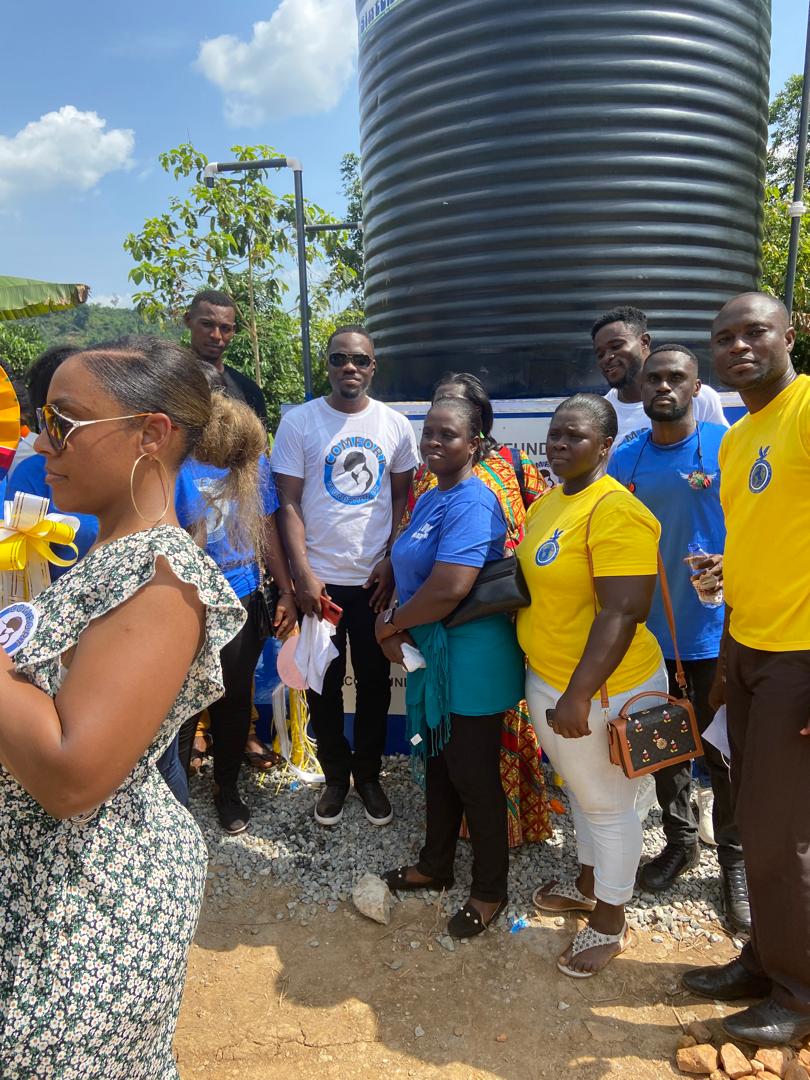
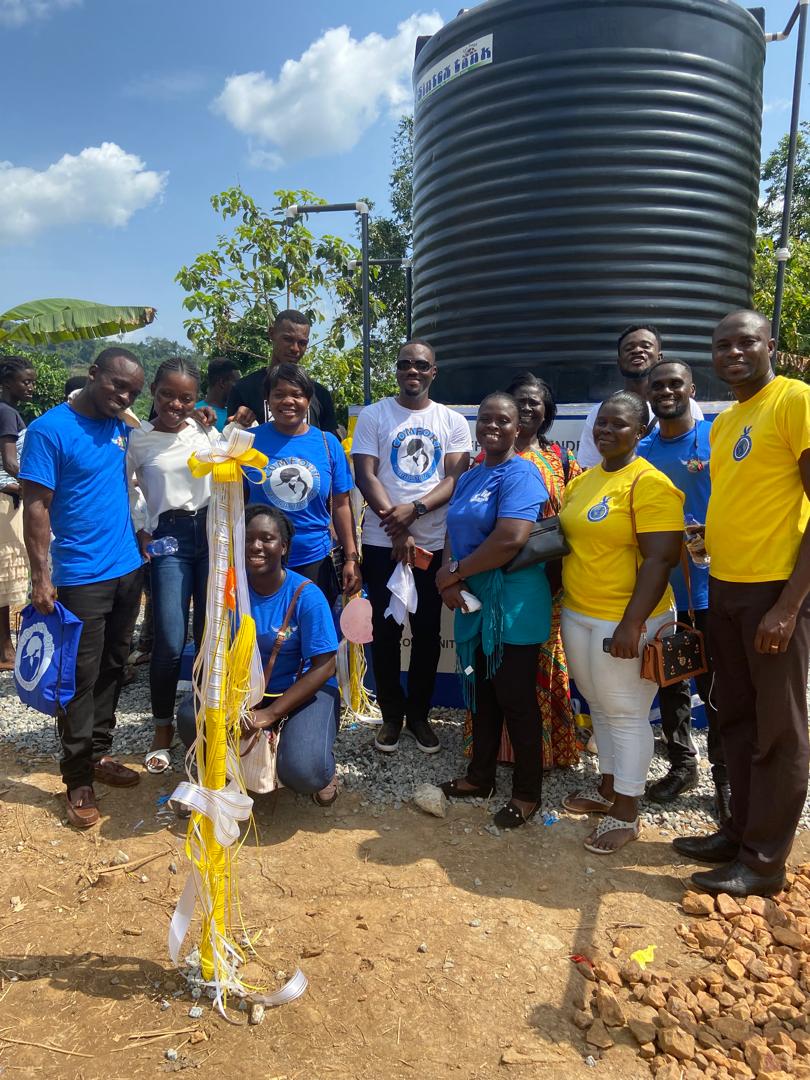
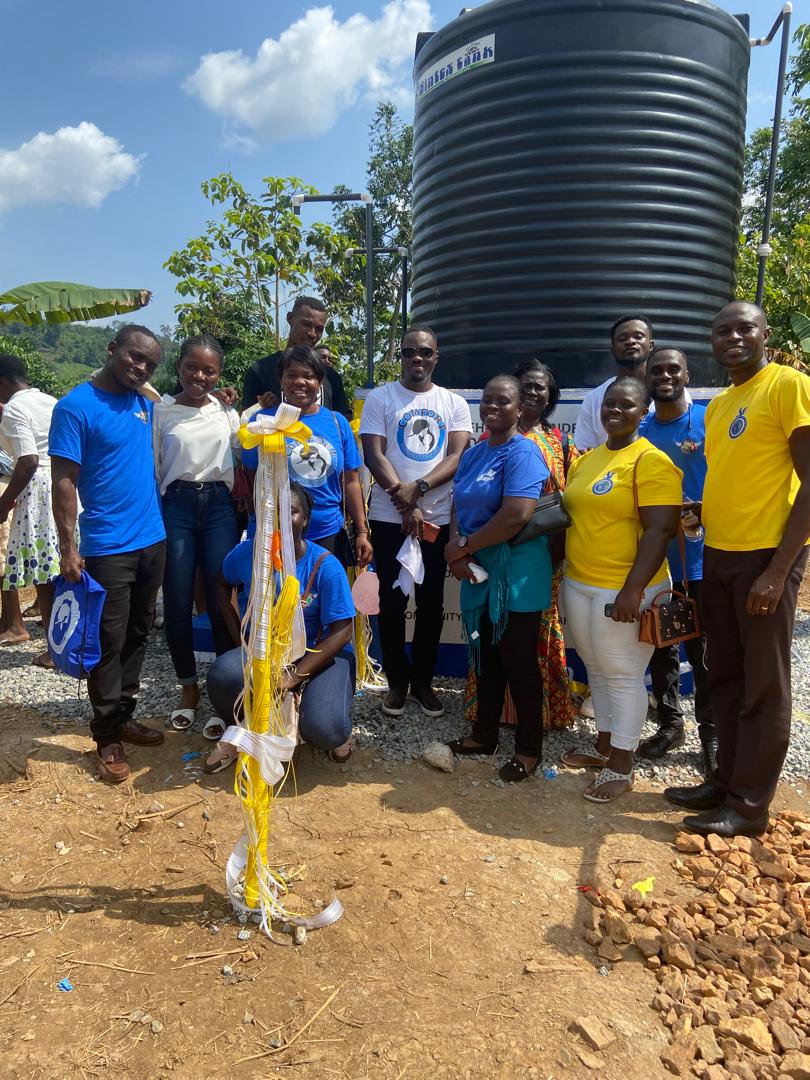
Scaling the borehole drilling programme into a structured WASH (Water, Sanitation & Hygiene) portfolio with built-in maintenance and community-ownership mechanisms to guarantee long-term functionality.
A community-ownership and local water-committee model is adopted for every new borehole, with a defined maintenance fund and independent functionality audits commissioned on a rolling annual basis.
Global credibility in the contemporary development sector requires demonstrable, explicit alignment with the United Nations 2030 Agenda. The Foundation's existing interventions map naturally onto six SDGs; this alignment is used consistently across proposals, reports, and communications.
Number of households and children lifted out of acute deprivation annually through the Foundation's orphan-care facilities, community grants, and livelihood support initiatives.
Number of individuals reached through community health screenings and basic healthcare outreach, including orphan-care nutrition and psychosocial support.
Number of active scholars, completion rates, and transition rates to employment and further study — tracked across Basic, Secondary, Tertiary, and Vocational pathways.
Number of functional boreholes, percentage functional at 12 and 24 months post-installation, and estimated population served with sustained access to clean water.
Proportion of interventions delivered in underserved, rural, and displaced communities across three continents, prioritising last-mile populations facing chronic deprivation.
Value and number of active co-funding partnerships across the three-branch model — measuring collaboration with governments, corporates, churches, and multilateral agencies.
Twice yearly, the Foundation convenes its flagship Major Programmes — repositioned as globally promotable, sponsorship-grade platforms with shared production standards and a formal post-event reporting cycle.
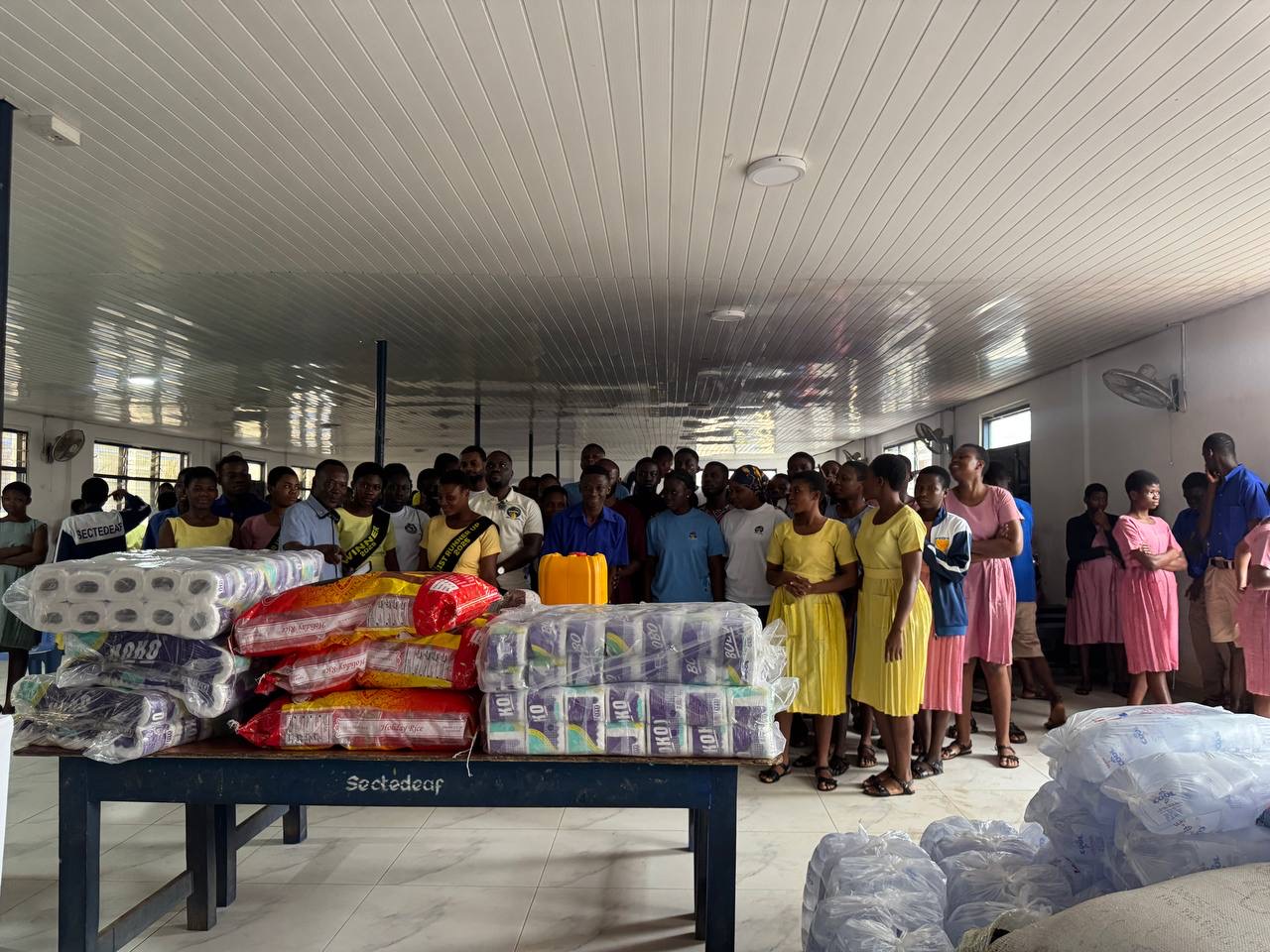
Mid-year outreach delivery covering orphan-care initiatives, scholarship disbursement milestones, and community and borehole commissioning — paired with a donor and partner impact convening. Key deliverable: a Mid-Year Impact Bulletin published within four weeks of the programme, tracked against the SDG matrix.
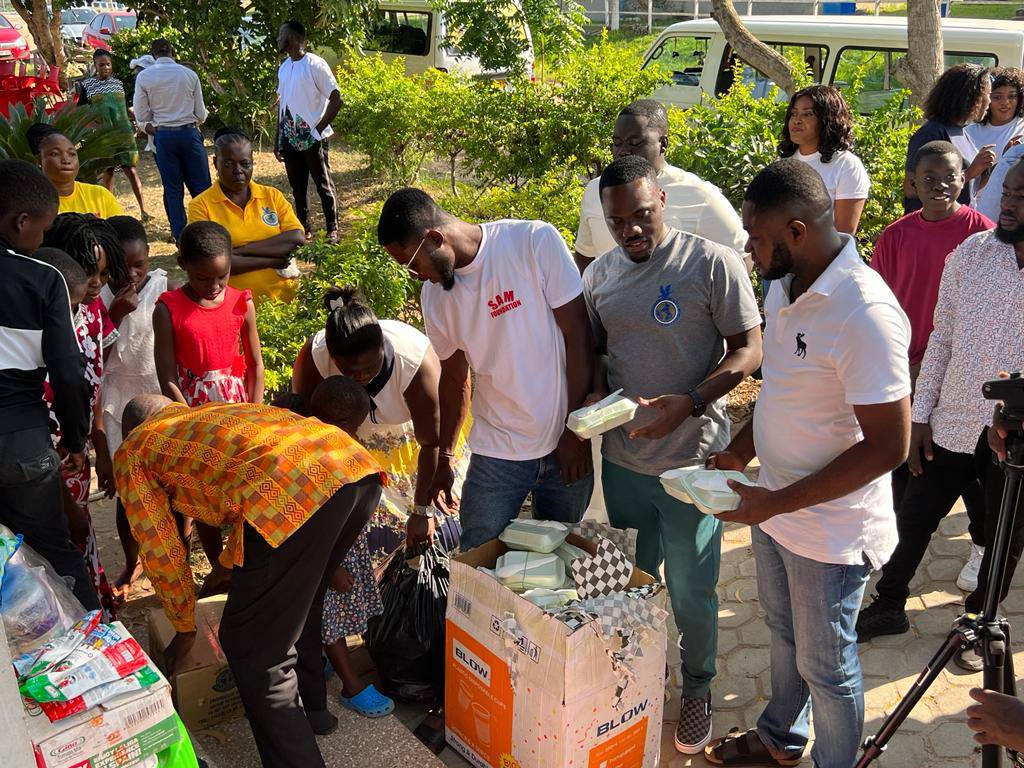
The Foundation's flagship annual moment — year-end outreach combined with an Impact Summit convening all three branches, partners, and donors to review the year and launch the following year's priorities. Key deliverable: an Annual Impact Report, formally aligned to the SDG matrix, released ahead of the following year's fundraising cycle.
A credible MEAL framework is the single most decisive factor in institutional donor confidence. The Foundation adopts a structured framework built around the SDG matrix, reporting against four core impact indicators.
Reviewed by the Executive Director and Heads of Function across all three branches, tracking real-time progress against strategic milestones.
Published following the July Programme, within four weeks of delivery. Formally aligned to the SDG matrix and distributed to all partners and donors.
Published following the December Programme, externally audited, and released ahead of the following year's fundraising cycle. The Foundation's primary accountability document.
Commissioned at least once within the 2026–2030 five-year plan period to provide an independent external assessment of programme effectiveness and impact.
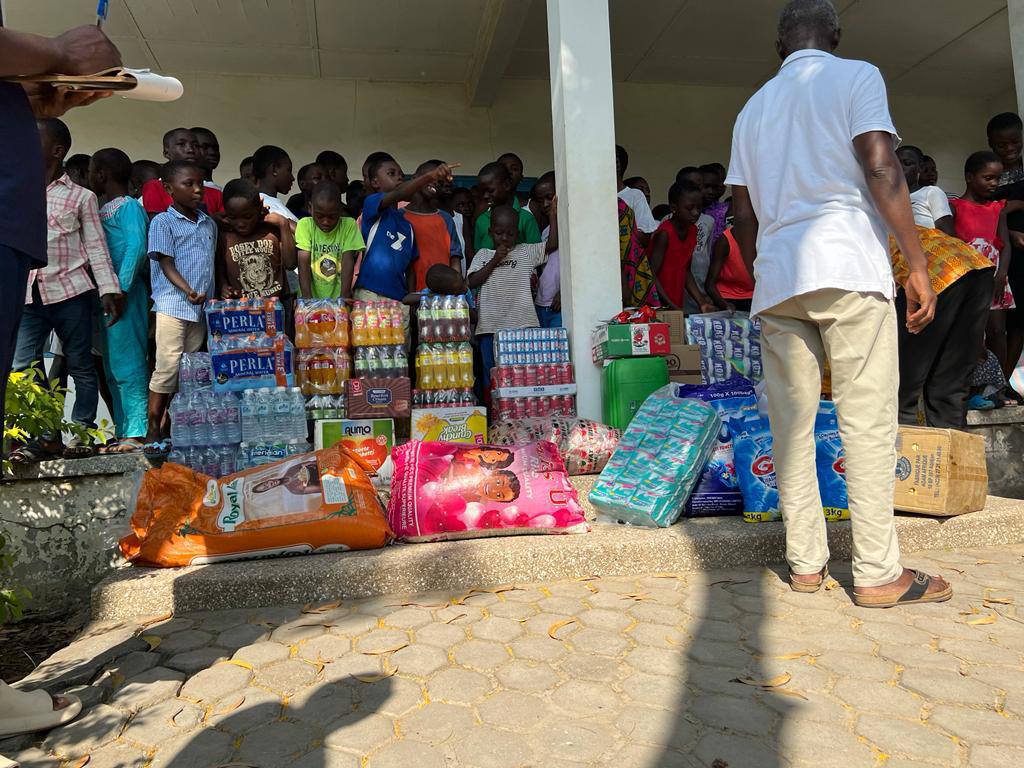

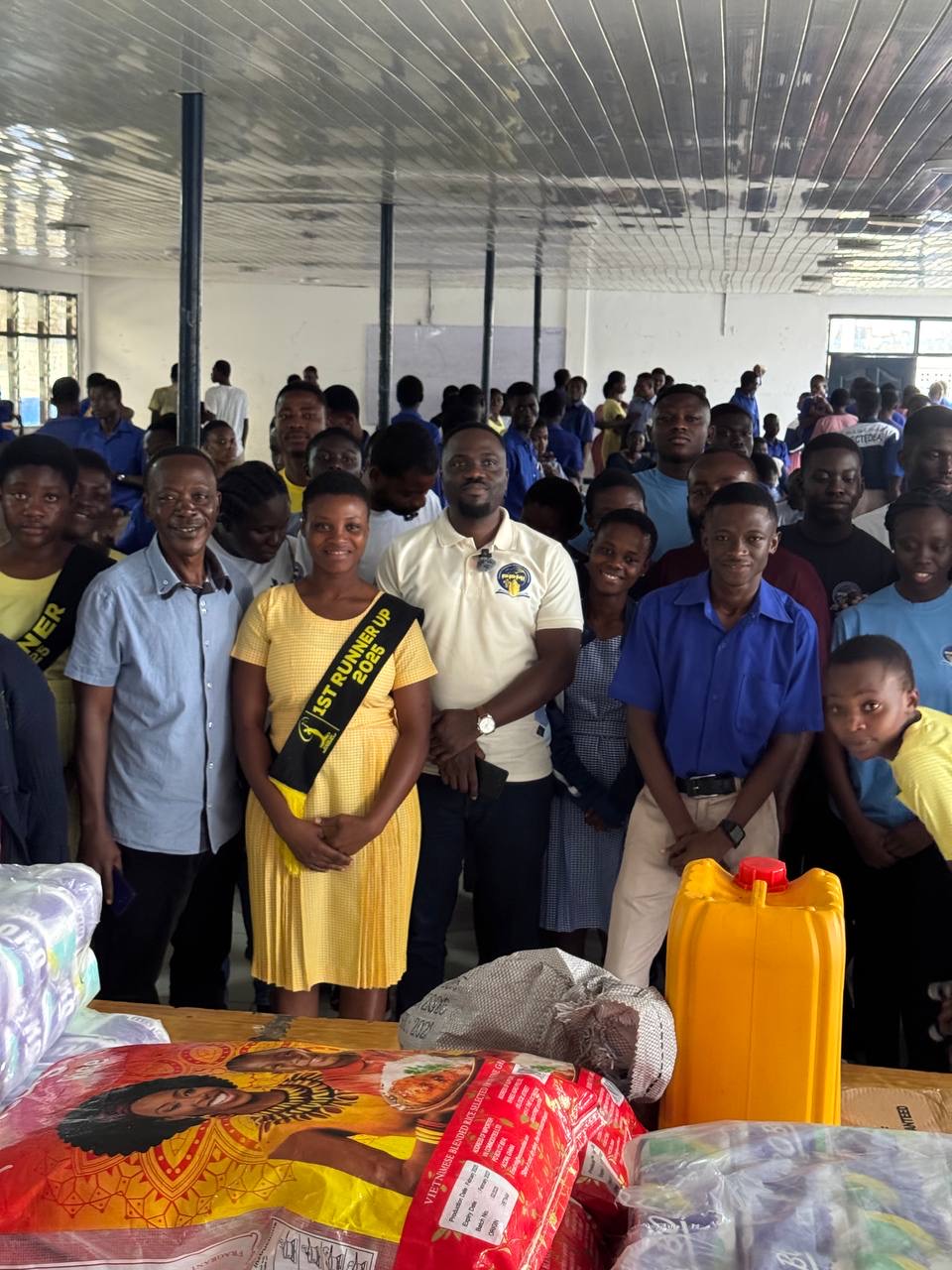

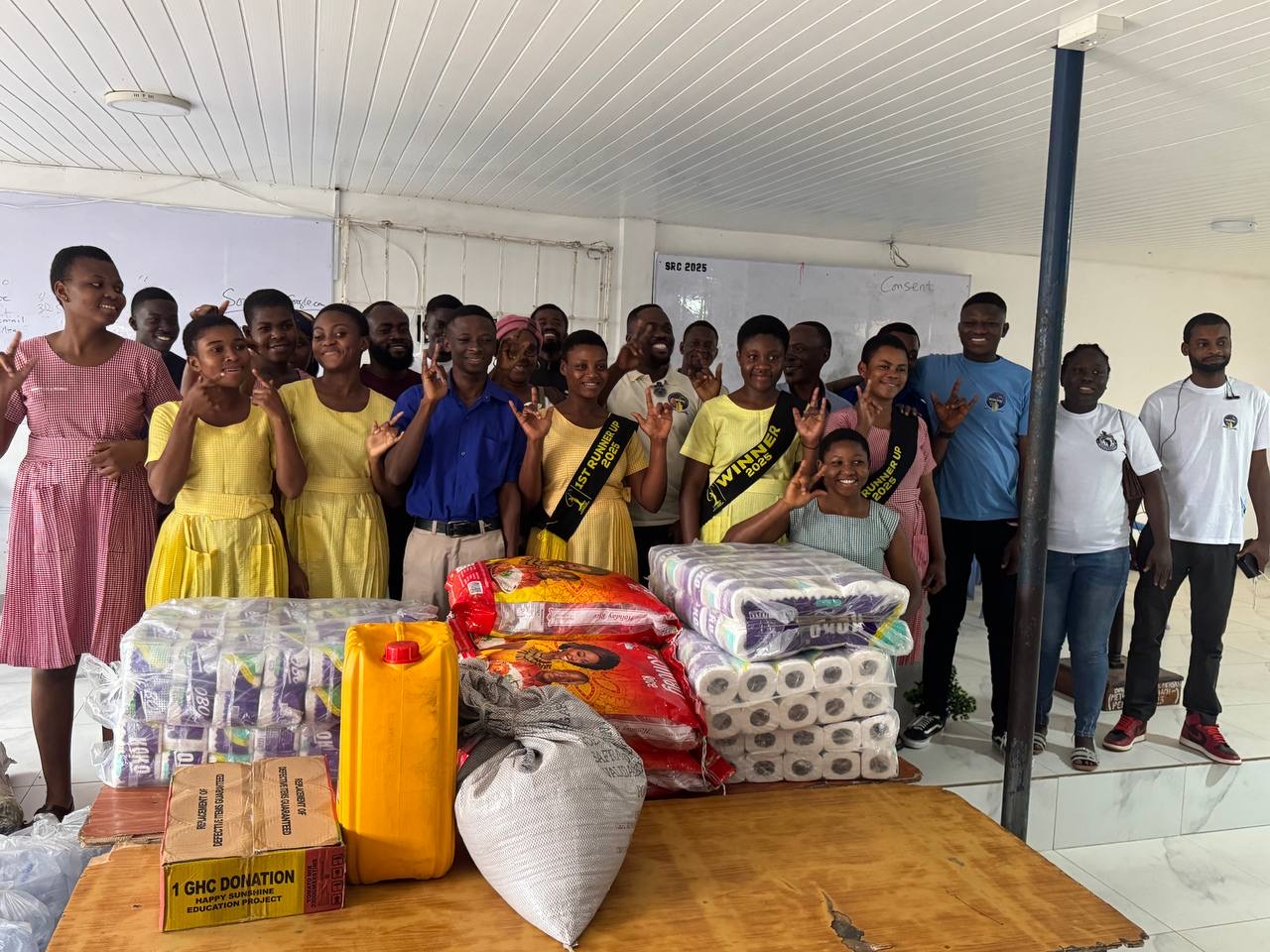
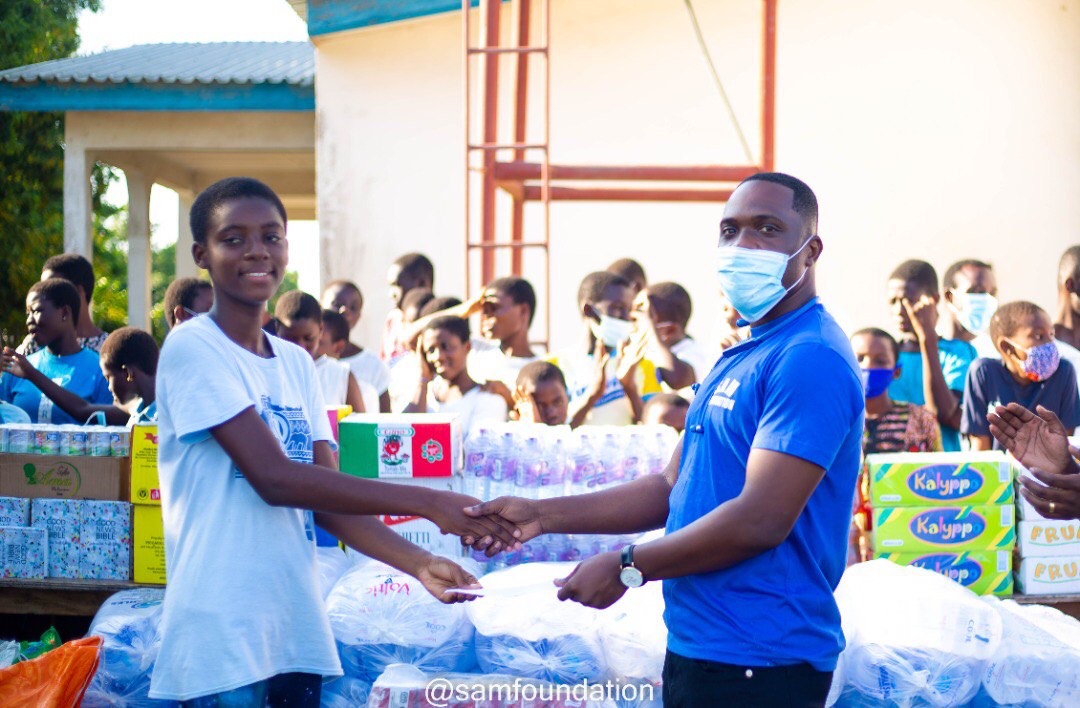

Every borehole drilled, every scholarship awarded, and every child cared for is situated within a globally legible framework of impact. Partner with us to co-fund programmes and amplify reach across three continents.
 admin@spfglobal.org
 +233 594382943
 Facebook
 Instagram
 Twitter
 Donate now