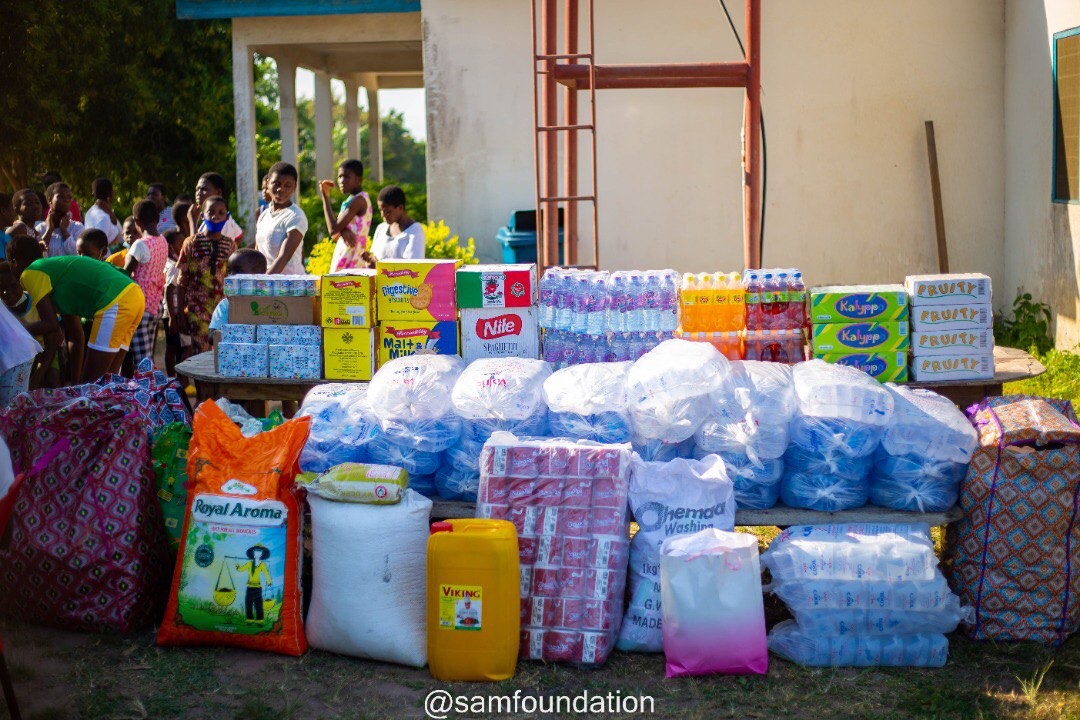
The Foundation delivers high-impact social interventions across four core domains, underpinned by two flagship events each year — each programme designed for durability and measured against internationally recognised indicators aligned to the UN 2030 Agenda.
The Foundation operates at the intersection of humanitarian relief, sustainable development, and faith-motivated service — a positioning that broadens its constituency of support to include the Church, the diaspora, corporate CSR partners, and secular development funders alike. Every intervention is mapped to the UN 2030 Agenda.
The Foundation strengthens and standardises its orphan and vulnerable-child care model to meet international child-protection benchmarks, while scaling community health screenings and basic healthcare outreach as a core, standalone service line — extending beyond orphan-care settings into partner communities across all three branches.
The Foundation adopts and publishes a formal Child Protection Policy aligned with international best practice, establishing standardised case-management files and periodic wellbeing reviews for every child under the Foundation's care.
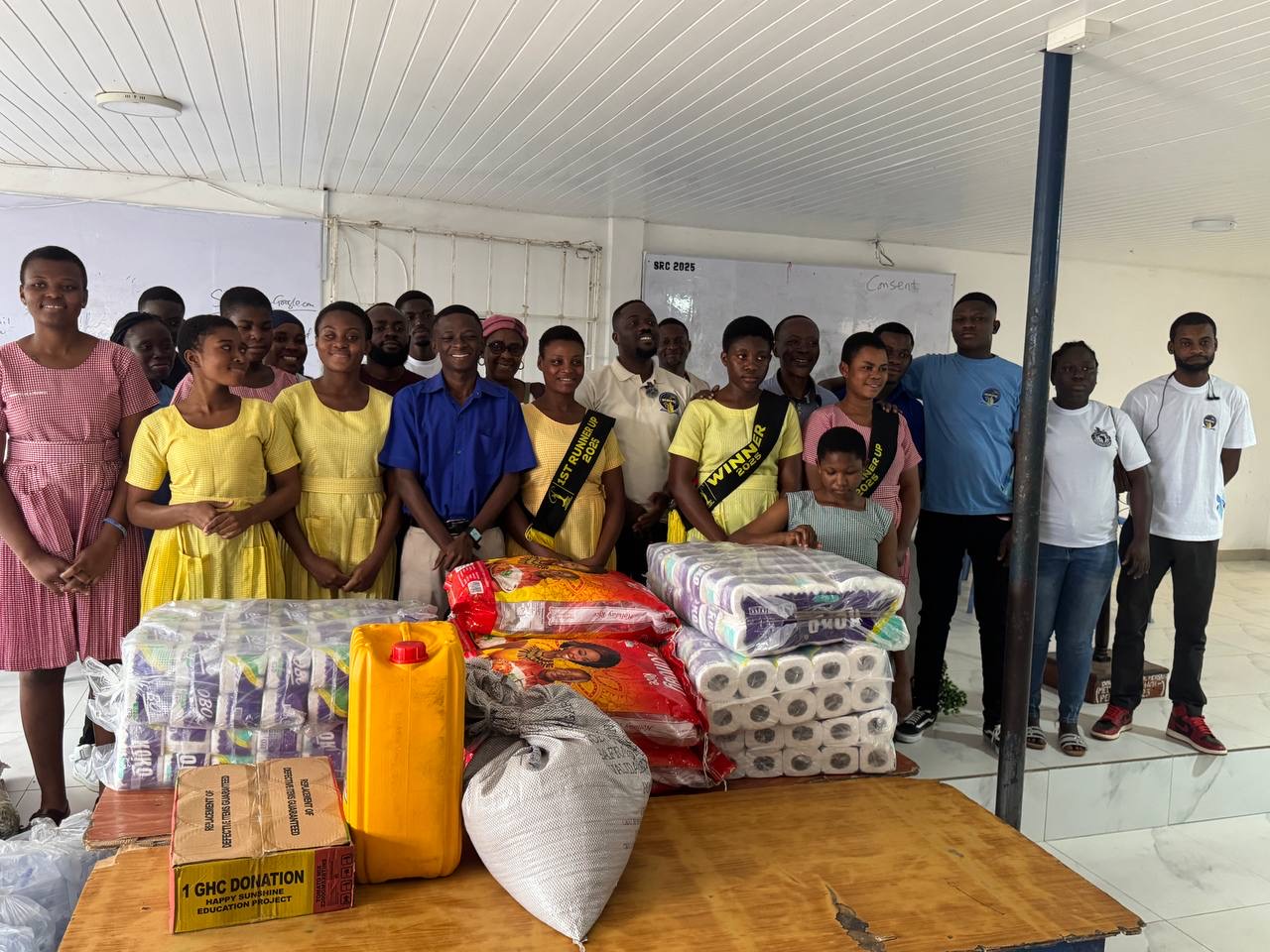
The Foundation expands its scholarship programme into a globally sponsorable, transparently governed pipeline — from selection, through disbursement, to mentorship and post-graduation tracking. A tiered scholarship structure covering Basic, Secondary, Tertiary, and Vocational/Technical pathways is offered with published eligibility criteria.
Every scholar is enrolled in a mentorship and academic-progress-tracking system, prioritising STEM, health sciences, and vocational trades. The scholarship intake grows year-on-year across the 2026–2030 plan period.
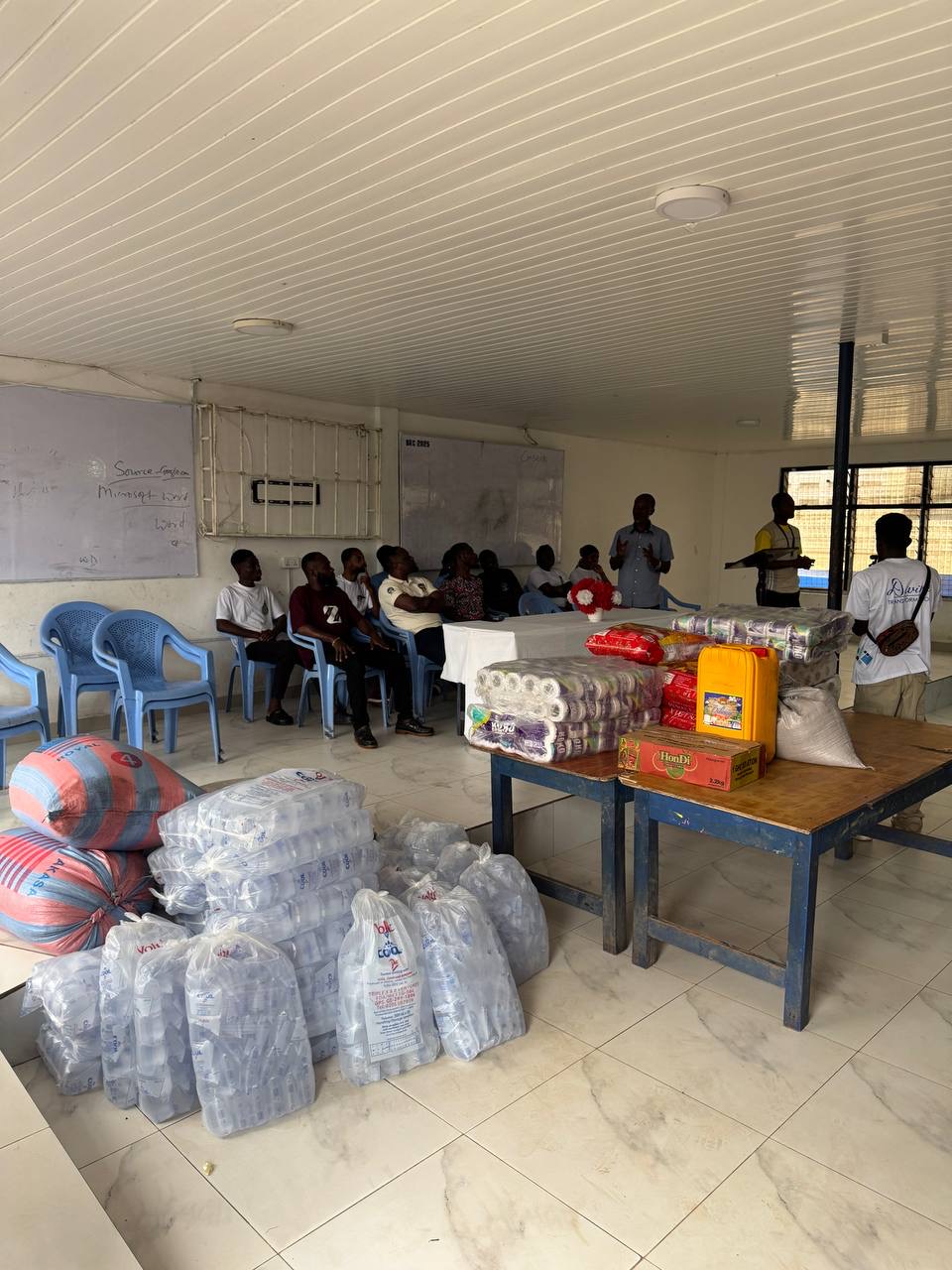
The Foundation scales its borehole drilling programme into a structured WASH (Water, Sanitation & Hygiene) portfolio with built-in maintenance and community-ownership mechanisms to guarantee long-term functionality. A community-ownership and local water-committee model is adopted for every new borehole, with a defined maintenance fund.
Independent functionality audits of all installed boreholes are commissioned on a rolling annual basis, and sanitation and hygiene education is integrated into every WASH project site.
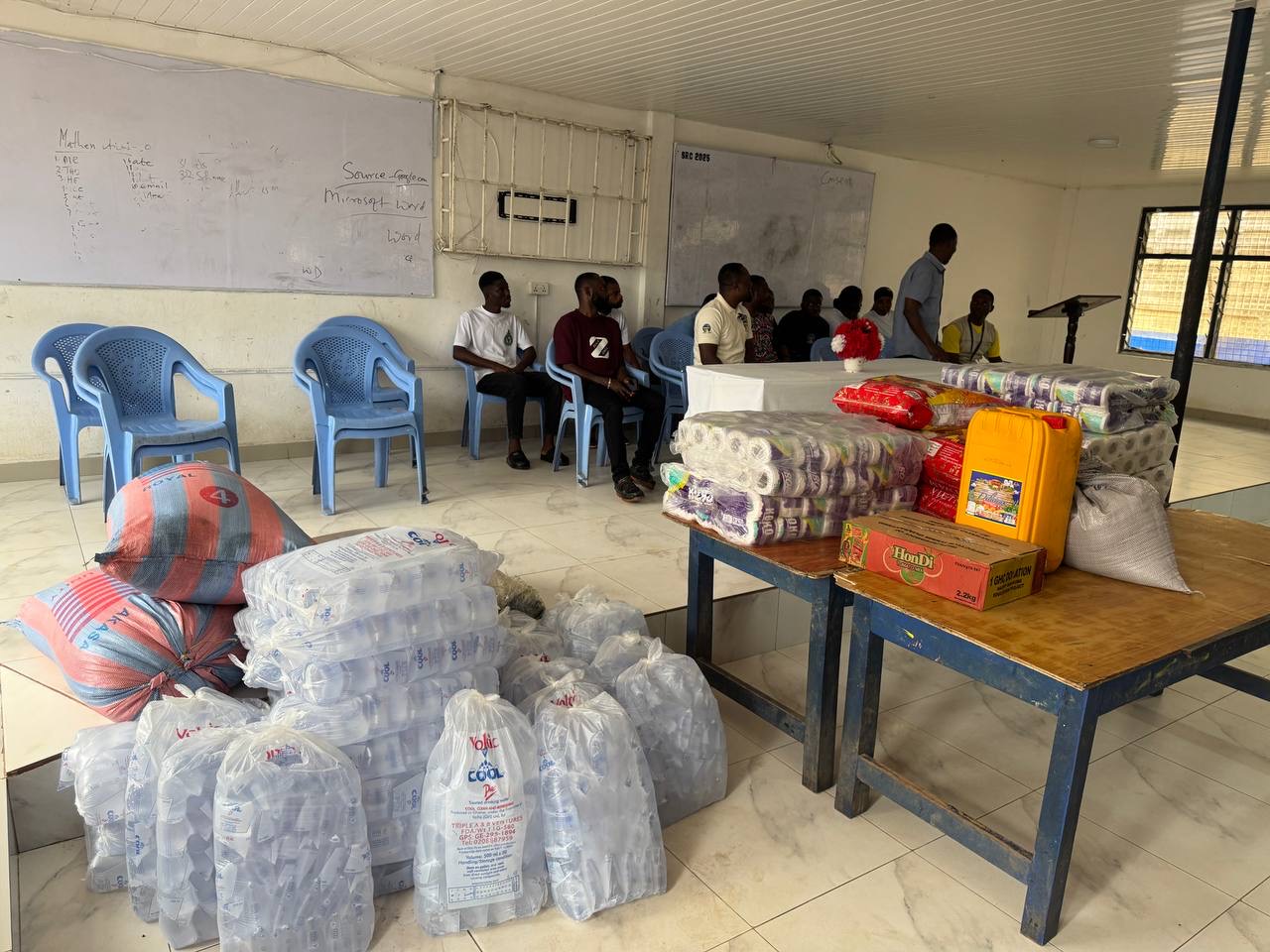
The Foundation broadens its community development initiatives to include livelihood, skills, and small-enterprise support that build durable local resilience beyond the Foundation's direct interventions. Pillar 4 acknowledges that sustainable development requires communities to thrive independently of external aid — and commits the Foundation to building that capacity.
Community advisory committees are established to guide local prioritisation of development projects, ensuring that every intervention is rooted in the genuine needs and voice of the communities served.
The Foundation's flagship Major Programmes are repositioned as globally promotable, sponsorship-grade platforms — each with a distinct strategic purpose, shared production standards, and a formal post-event reporting cycle.
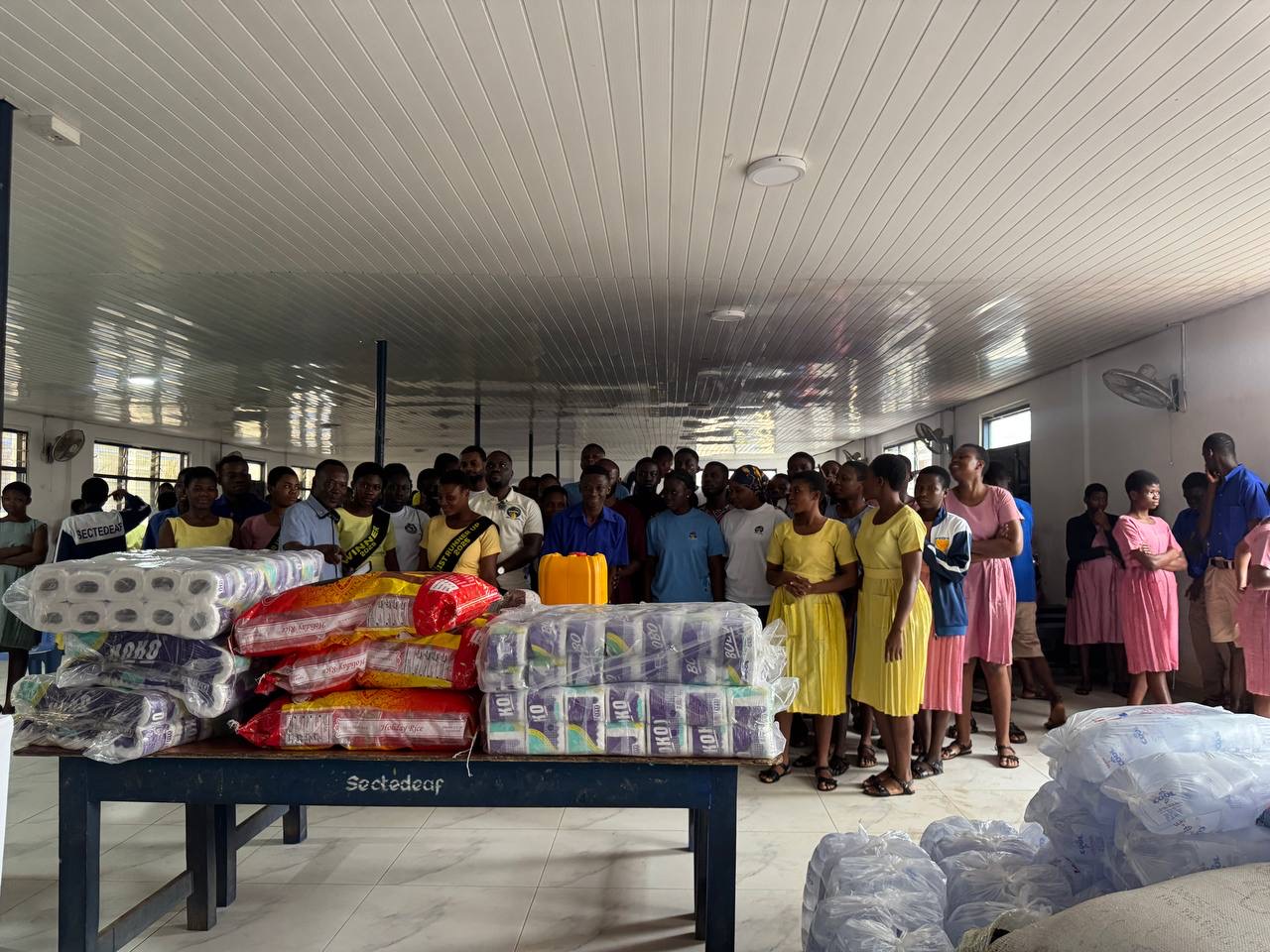
Mid-year outreach delivery covering orphan-care initiatives, scholarship disbursement milestones, and community and borehole commissioning — paired with a donor and partner impact convening. Audience: local beneficiary communities, in-country partners, and a first wave of diaspora and corporate stakeholders.
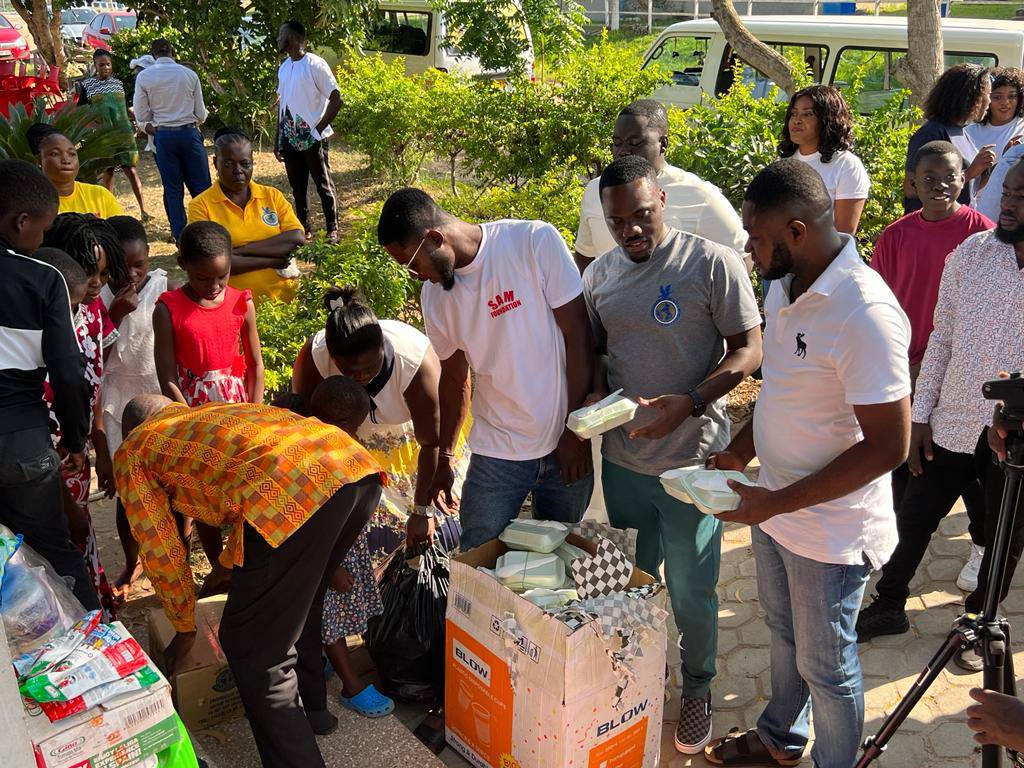
The Foundation's flagship annual moment — year-end outreach delivery combined with an Impact Summit convening all three branches, partners, and donors to review the year and launch the following year's priorities. Full tri-continental stakeholder base including UK and US branch donors, corporate sponsors, church partners, and media.
A standard sponsorship prospectus with tiered packages is issued at least 90 days ahead of each flagship programme. Simultaneous satellite engagements in the UK and USA provide tri-continental reach for every corporate partner.
Every contribution — financial, professional, or relational — goes directly to fund on-the-ground delivery in Ghana and across the sub-region. Impact is multiplied through collaboration with governments, corporates, churches, multilateral agencies, and the diaspora.
 admin@spfglobal.org
 +233 594382943
 Facebook
 Instagram
 Twitter